
Frequently Asked Questions
What is an appraisal? Why do I need one?
A professional home appraisal is an unbiased estimate of a property’s market value, conducted by a designated professional residential real estate appraiser. Home appraisals are often required by lenders to determine fair market value when you are buying or refinancing a home. They assure the lender that the property’s value is sufficient to secure the loan amount requested. Appraisals are also used by homeowners for a variety of legal and tax purposes which require proof of your home’s market value. As a homeowner, an appraisal can also assist you in making an informed decision when preparing to list your property for sale, or when considering an offer-to-purchase on a property for sale.
Who orders the appraisal? Who pays?
When the purpose of the appraisal is for mortgage or equity financing, typically the lender or the broker will order the appraisal for the applicant’s property and provide instructions to the appraiser as to how the report is to be prepared and distributed. The lender or broker is considered the appraiser’s client, even if the lender or the broker pass the cost of the appraisal on to the homeowner. Appraisers work on a confidential basis with their clients, similar to lawyers or accountants, and any information from the report provided to the property owner is at the discretion of the lender.
When the appraisal is for a purpose other than lending, such as for marital separation, estate settlement or capital gains calculation, the homeowner or estate trustee orders the appraisal, provides instructions on it’s preparation, and is usually considered to be the appraiser’s client.
Is there more than one type of residential appraisal?
There are several types of residential appraisals with differing scopes of required information gathering and market research, which result in differing degrees of accuracy in the opinion of value provided.
A traditional full appraisal involves the appraiser making an in-person visit to the subject property to view all the areas of the interior and exterior to gather all the information needed to complete an appraisal. The appraiser proceeds to review and analyze all the available pertinent market data. An in-depth comparison is made between the subject and the most recent similar area market sales. The appraiser reconciles all of the different indicators of market value to develop an exact opinion of the subject property’s value.
A drive-by appraisal involves a limited curb-side viewing of the subject property with the opinion of value given as a range. A desktop appraisal involves no in-person viewing by the appraiser, and also provides an opinion of value expressed as a range. Typically, these types less accurate types of appraisal are used by lenders when loan or mortgage amounts are a smaller percentage of the home’s total value and a speedy turnaround time is more important than accuracy.
What steps are involved in the appraisal process?
For a typical ‘full’ appraisal, the appraiser visits your property in person and views all the rooms and areas of the house, including the basement. The appraiser gathers information on all aspects of the home and property that may influence market value, including square footage, layout, condition, number of bedrooms, and bathrooms. The appraiser’s visit typically lasts between 20 and 40 minutes and the appraiser will typically take at least one picture of each room/area of the house to keep on file as documentation of the visit for future reference. As the viewing progresses, the appraiser will ask the homeowner to provide details about the home’s history of upgrades and maintenance. The appraiser also tours the exterior of the house and the yard to view the configuration of your lot, your landscaping and any outbuildings. The appraiser will also note special features of the house and property like a pool, fireplace, or outdoor kitchen.
After the viewing, the appraiser gathers the most recent information on the area real estate market and does a comparative analysis between the subject and the area market in order to develop an opinion of market value for your home. The appraiser presents the market analysis and the comparison approach as part of the formal signed appraisal report.
Do I need to prepare for an appraisal?
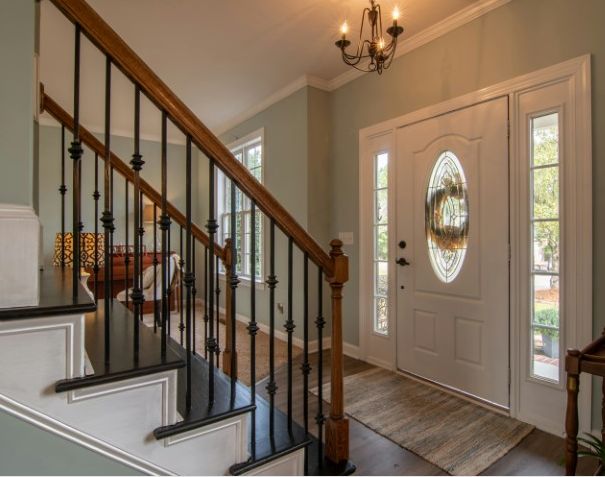
Some people believe that if they spend a lot of time cleaning or staging their house before the appraiser’s visit, it will have a positive impact on the appraised value. A professional home appraiser is trained to see past things like housekeeping or decor, and focus strictly on condition in determining a home’s value.
What if I disagree with the appraiser's valuation?
If you can demonstrate that there were errors or omissions in the appraiser’s understanding of your property, or if you feel the appraiser omitted a pertinent property sale in the market analysis comparison, then you can ask the appraiser to review their opinion of value. If your value appeal is unsatisfactory, you have the option of obtaining a second appraisal from a different appraiser. Keep in mind this will incur additional costs and there is no guarantee of a move favourable opinion of value.